TL;DR Summary: A recent report from the Banking & Payments Federation of Ireland reveals that a staggering 85% of Irish adults encounter scam communications at least monthly. With increasing sophistication in these scams, many are struggling to differentiate between genuine and fraudulent contacts. Ongoing awareness campaigns aim to equip consumers with the tools to identify and respond wisely to these threats.
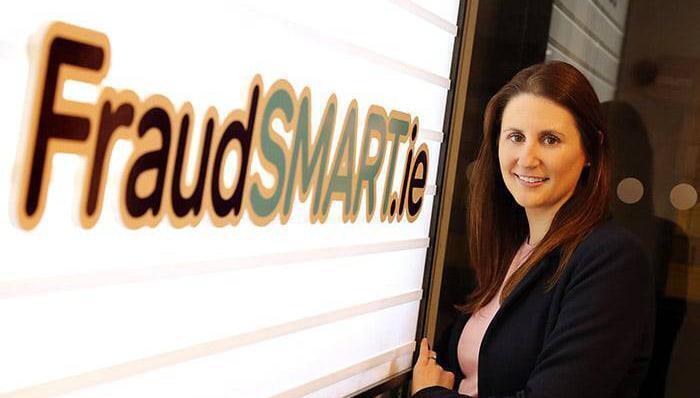
Scams have infiltrated the everyday lives of many in Ireland, with the latest findings from the Banking & Payments Federation of Ireland (BPFI) revealing that 85% of adults fall victim to scam calls, texts, or emails at least once each month. The FraudSMART report highlights an alarming trend, where more than half (51%) of respondents believe they are encountering more dubious communications than they did the previous year. It seems that the age-old adage to be wary of strangers is more pertinent than ever, especially as fraudsters now employ increasingly crafty social engineering tactics to gain their victims’ trust.
Consumers typically encounter this insidious activity through the most common channels: mobile phone calls (61%), text messages (58%), and emails (51%). Shockingly, one in ten individuals admitted to clicking on a link within a suspicious text or email before realising it was a potential scam. The signs of these scams are becoming increasingly familiar—39% of victims cite an unknown sender as a red flag for emails, while poorly crafted content (36%) and unexpected communications (32%) also raised alarms. What’s more, one in four Irish adults reported feeling dubious when confronted with communications that appeared to be generated by AI.
While awareness of these scams seems high, the response from consumers raises questions. More than half of those who received suspicious mobile calls opted to ignore them (55%), with 62% choosing to block the number. Similarly, 65% of suspicious texts were deleted, and 55% of recipients blocked the sender. However, only 15% took the initiative to verify the legitimacy of the company or website linked in the text or email, underscoring a concerning gap in proactive behaviours.
Niamh Davenport, Head of Financial Crime at BPFI, emphasizes the growing challenge of distinguishing between authentic and fraudulent communications. She noted, “Fraudsters can impersonate trusted brands, while advances in AI are making it easier to create convincing content at scale.” With such variations in response and awareness, it begs the question: Are we truly equipped to tackle the deluge of scams that pervade our digital lives?
Now, let’s take a moment to chuckle at the absurdity of it all. Irish culture often has a competitive spirit, but that extends to scam artistry as well. It’s as if these fraudsters have taken a page from marketing 101, trying to outsmart us at our own game. One can’t help but find it ironic that some of these scams appear more polished than actual adverts we see from time to time. If only people could harness that creativity for good, who knows what kind of innovative solutions we might uncover?
In the grand scheme of things, it’s worth noting that the methods of deception are evolving. A relevant fact to consider: the global cost of cybercrime is projected to reach over $10.5 trillion annually by 2025, making it a pressing issue for authorities everywhere. As the landscape of fraud continues to morph, staying vigilant is the key to safeguarding our financial and personal information.
For more insights on this issue, visit the full piece on the Irish Examiner.
Related Posts
- Trump and Mike Johnson Argue AI Industry is Overreacting
- Pension Ownership Surges 17% in Ireland, Yet 20% Lack Retirement Plans
- Trump Declares End of U.S. Tariffs on Irish Whiskey, Boosting Trade Relations
- Michael Dell’s DFO Management Close to Private Acquisition of Baldwin Insurance Group, According to Financial Times
- Tesla Cybertruck Price Plummets: From $262,000 to Just $65,000 in Two Years