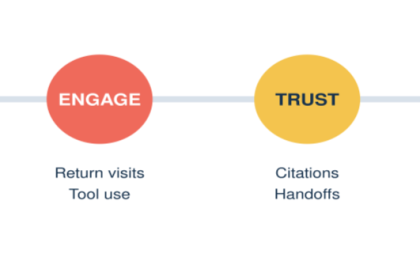
As advertising costs on platforms like Meta and Google continue to rise, a new wave of French “clean beauty” startups is redefining growth strategies by prioritizing organic reach over paid attention. By focusing on niche SEO, educational content, and product transparency, these direct-to-consumer (DTC) brands are effectively attracting discerning shoppers looking for answers without the hefty marketing budgets required by larger companies.
The organic and natural cosmetics market in France has now surpassed approximately $1.1 billion (€1 billion). A significant portion of this growth is driven by smaller, specialized brands that can quickly resonate with consumers and manage their relationships directly, contrasting starkly with the strategies of established cosmetic giants.
Why DTC is the Go-To Model for Indie Clean Beauty
Direct-to-consumer (DTC) is not merely a distribution method; it is a vital survival strategy for burgeoning beauty enterprises. By selling through their own websites, these brands retain higher profit margins, gain direct access to customer data, and maintain stricter control over brand messaging and educational content. In a niche market, the ability to offer reassurance—addressing concerns such as ingredient safety and product effectiveness—is paramount, enabling focused DTC brands to outmaneuver larger rivals. While big players can afford extensive reach, niche brands can build trust through authenticity and transparency.
How One French Brand Turns a Niche into a Moat
Take Holi Cosmétiques, for instance, a DTC brand specializing in 100% plant-based hair dye. Rather than investing in broad advertising campaigns, Holi emphasizes educational content tailored to the specific questions consumers have, such as choosing the right shade or proper application techniques. The brand highlights its ingredient integrity—detailing what is included and what is not, such as the absence of ammonia or synthetic components. This educational approach serves as an ongoing growth engine, as opposed to paid campaigns which cease once budgets run dry. For Holi, search-driven content becomes a continuous source of engagement.
Niche SEO: The Highest ROI Weapon Small Brands Have
For specialized products, leveraging organic search often yields a superior cost-per-acquisition compared to paid advertisements, particularly when targeting long-tail queries indicative of high purchase intent. Rather than competing with conglomerates for generic keywords like “natural shampoo,” smaller brands effectively target specific searches that convey readiness to buy.
The fundamental pillars driving this strategy are now readily accessible to many small businesses:
- Expert content: Informative guides, how-tos, technical explanations, and FAQs designed to address customer inquiries before they make a purchase.
- Strong site fundamentals: A clean URL structure, structured data (including Schema.org markup), and fast load times are essential for proper page indexing.
- Social proof: Customer reviews and before-and-after photos bolster trust while also enhancing search performance.
The central tenet here is straightforward: in niche markets, content does not merely serve as a marketing expense. It transforms into an enduring asset.
In 2026, AI Search is Changing Discovery
The competitive landscape is evolving beyond traditional Google search results. By 2026, generative tools such as ChatGPT and Google’s AI Overviews will establish new channels for consumer discovery. When shoppers inquire about which brands to consider, these systems often respond based on patterns from multiple sources, meaning that a brand’s online footprint will be critical. This new approach, known as Generative Engine Optimization (GEO), seeks to enhance a brand’s online presence to ensure that generative AI tools are more likely to reference or recommend them.
Brands like Holi that delve deeply into specific topics and document their ingredients and usage precisely stand to benefit, as they become highly citable in their specialized domains—something broader brands may struggle to achieve.
What It Takes to Win with a Niche DTC Strategy
The common thread among these innovative French clean beauty brands is not robust budgets but rather disciplined execution. Successful strategies consistently demonstrate three key requirements: true specialization, sustained investment in content and SEO rather than reliance on ads, and unwavering transparency, which fosters consumer trust and enhances visibility in both traditional and AI-driven search.
If this model gains traction, it may significantly alter how beauty brands scale their online presence, moving away from paid social advertising in favor of demonstrating expertise, providing proof, and ensuring discoverability across multiple platforms—be it a search bar or an AI chatbot.
FAQ: The Basics Behind the Strategy
What is a DTC brand?
A direct-to-consumer brand sells through its own e-commerce site rather than traditional retailers, allowing for increased margins and better control over customer data and branding.
Why is SEO often more cost-effective than ads for niche brands?
SEO targets specific, high-intent searches that deliver long-term results compared to paid advertising, which halts when the budget is depleted.
What is GEO?
Generative Engine Optimization refers to the practice of optimizing a brand’s online presence to enhance its chances of being referenced by generative AI tools, drawing attention from curious consumers.
As the landscape evolves, brands that can adapt in this direction will not only endure but flourish.
For further reading on this topic, visit larevuetech.fr.
Related Posts
- Microsoft Stuck Below $378 Despite 4% Surge: Key Levels to Watch Now
- Trump Advocates for 100% Tariff in Response to Digital Services Tax Dispute
- Kerryman Behind Netflix’s $1 Billion US Studio Recognized by Ireland-US Council
- Google Enables ‘Maximize Conversion Value’ Bidding for Standard Shopping Campaigns — What Advertisers Need to Know
- Alphabet’s Stock Surge: Wall Street Eyes AI Investment and Advertising Boom