In a significant move aimed at enhancing user engagement, Google has announced it will introduce AI-generated voiceover capabilities to its Performance Max video ads. This feature, which utilizes advertisers’ headlines and descriptions, has raised mixed reactions in the marketing community, particularly regarding its potential impact and the opt-out implications for brands.
Jordan Fry, CEO of the media-buying service RevAmp, revealed the development through a LinkedIn post, sharing an email he received from Google. According to the information, Google will automatically generate a voiceover by pulling text directly from advertising content, enhancing videos lacking existing audio elements such as human narrators or branded audio.
Advertisers have until March 20 to opt-out of this voiceover enhancement feature, a decision that could significantly affect their brand’s messaging strategy. Georgi Zayakov, a noted PPC influencer, expressed concerns in his own LinkedIn remarks, cautioning that a uniform voice across all ads might dilute brand individuality.
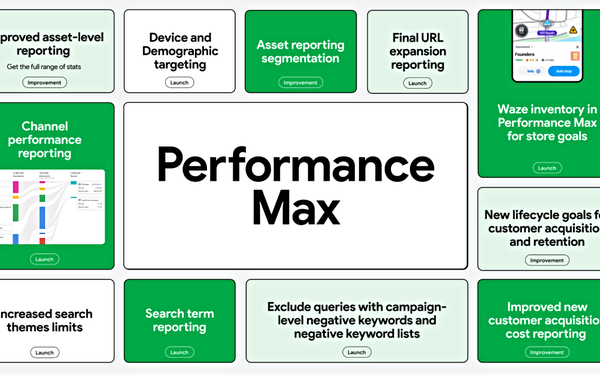
As the feature goes live next week, Google aims to leverage automation driven by artificial intelligence in Performance Max campaigns. These campaigns automatically allocate advertising dollars across platforms including Search, YouTube, Display, Discover, Maps, and Gmail.
In comparison, Meta has also introduced a similar AI-generated narration feature, but its functionality differs notably from Google’s, with varied controls in place.
While Google’s system automatically generates voiceovers for videos devoid of audio, Meta requires users to manually select the voiceover tool during the ad setup process. Meta’s strategy includes an innovative AI Dubbing feature that synchronizes lip movements with cloned voices when translating ad content into other languages.
Marketers remain limited in their ability to customize voice outputs, as the technology relies on Google’s advanced large language models. This shift from a manual tool to a fully automated system represents a significant change in how advertisers interact with video content, as they no longer need to manually input scripts or select voice attributes.
The enhancement feature, now enabled by default within Performance Max campaigns, suggests a broader trend towards AI-driven marketing solutions, raising a critical dialogue concerning creative integrity and brand identity. As platforms continue to explore the integration of AI, human oversight remains essential to ensure that advertising messaging resonates with the audience while staying true to brand values.
For further details, refer to the full article on MediaPost.