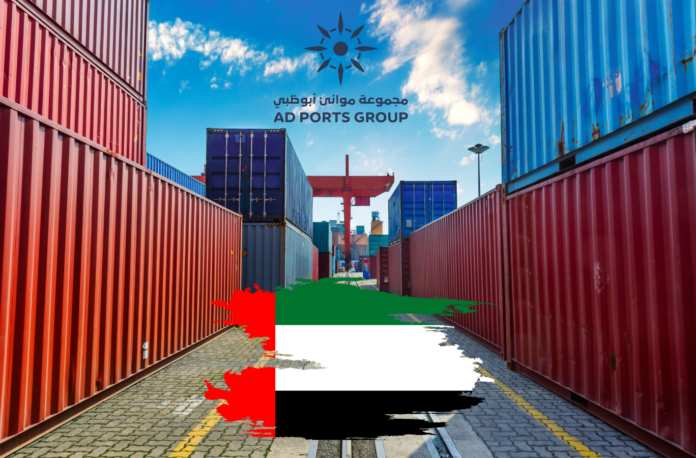
AD Ports Group has taken a significant step by investing in Global Feeder Shipping (GFS), emphasizing a commitment to enhancing integration within its logistical operations. This strategic investment reflects a growing trend in the shipping industry, underscoring the necessity for tighter coordination between ports and logistics to meet evolving market demands.
A Closer Look at the Strategy
The integration aimed by AD Ports Group involves streamlining operations between ports and economic hubs, which is increasingly critical in today’s fast-paced shipping environment. By deepening its stake in GFS, the company clearly articulates a vision of not just being a port service provider, but a comprehensive logistics solution.
This move aligns with global trends where major players in the shipping industry are recognizing the value of connectivity and efficiency. As reported by Container News, the stakes are rising, and companies are investing heavily in the infrastructure needed to support seamless shipping routes.
Market Reactions
Industry analysts have expressed optimism regarding this development. The tighter integration is anticipated to drive not only operational efficiencies but also increased competitiveness in the global shipping market. The investment is seen as a response to ongoing challenges such as supply chain disruptions and the demands of e-commerce, which require rapid and reliable shipping solutions.
Moreover, the strategic pivot towards feeder shipping exemplifies a broader understanding within the industry of adapting to changing patterns in international logistics. As highlighted in various reports, the demand for feeder services is set to rise, propelled by the growth of global trade and increased container traffic.
Conclusion
As AD Ports Group strengthens its position within the logistics arena through its investment in GFS, this initiative not only reshapes its operational landscape but also positions it favorably against competitors. With the increasing pressures on shipping companies to deliver efficiency, this strategic investment could signify a turning point in how integrated logistics are managed in the future. For further insights, you can follow the detailed analysis on Container News.